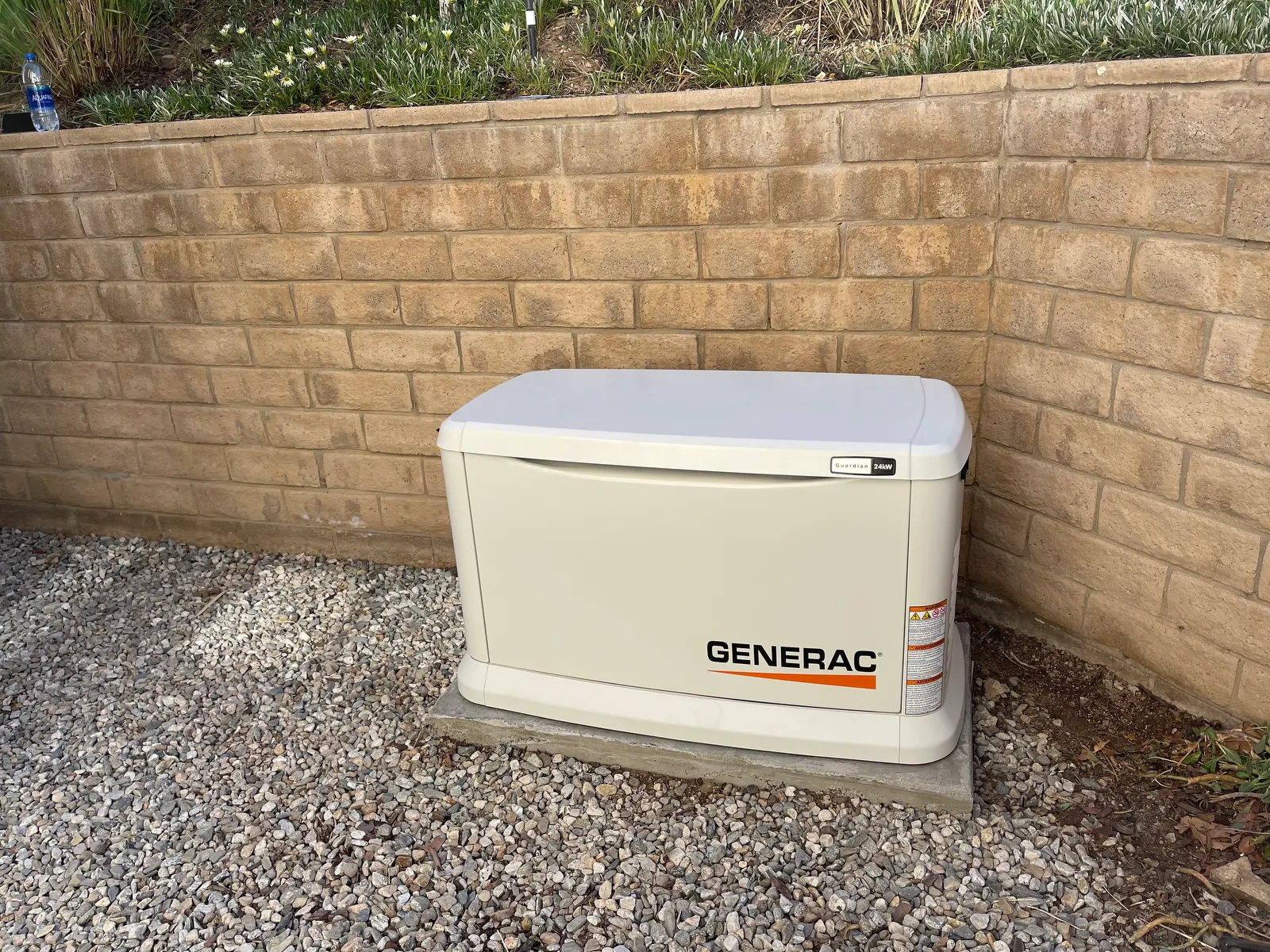

We’ll guide you through obtaining your standby generator permit by preliminary verifying local building codes and NEC compliance requirements. You’ll need to compile manufacturer specifications, electrical load calculations per NEC Article 702, scaled site plans showing setback distances, and single-line electrical diagrams. Submit these documents to your local building department, then coordinate rough-in, interconnection, and final inspections at appropriate installation milestones. Our thorough breakdown covers documentation requirements, common approval delays, and inspection preparation strategies to certify your installation meets all applicable codes.
Understanding Local Permit Requirements for Standby Generators
Local building codes and electrical ordinances establish the legal framework governing standby generator installations, with requirements varying considerably across municipalities, counties, and states. We’ll need to verify specific setback distances from property lines, structures, and windows—typically ranging from 18 inches to 5 feet. Most jurisdictions adopt the National Electrical Code (NEC) and International Residential Code (IRC) as baseline standards, though local amendments often impose stricter provisions.
We must determine whether our installation requires building, electrical, and mechanical permits separately or as a consolidated application. Zoning regulations may restrict generator placement in front yards or require acoustic enclosures to meet noise ordinances—commonly capped at 60-65 decibels at property boundaries.
Contact your authority having jurisdiction (AHJ) early in the planning phase. We’ll need to obtain current permit application forms, fee schedules, and submit site plans showing generator placement, fuel source routing, and transfer switch location. Many jurisdictions now offer online permit portals streamlining submission processes.
Required Documentation and Application Materials
Before submitting our permit application, we’ll need to compile a thorough documentation package that satisfies AHJ review requirements. Indispensable elements include manufacturer’s installation specifications, electrical load calculations demonstrating code-compliant sizing per NEC Article 702, and a site plan indicating setback distances from property lines, building openings, and combustible materials.
We must provide single-line electrical diagrams showing transfer switch configuration, branch circuit protection, and grounding electrode system details. The application requires engineered foundation drawings specifying concrete pad dimensions, reinforcement schedules, and anchor bolt placement conforming to manufacturer specifications and seismic requirements.
Documentation must include fuel supply schematics—whether natural gas or LP—with pipe sizing calculations and emergency shutoff valve locations per NFPA 54. We’ll need sound attenuation data confirming compliance with local noise ordinances, typically measured in dBA at specified distances. Ultimately, include proof of contractor licensing, manufacturer certifications, and product listings from recognized testing laboratories like UL or ETL.
Site Plan and Electrical Diagram Preparation
When preparing site plans for permit submission, we’ll need to produce scaled drawings—typically 1/4″ = 1′-0″ or 1/8″ = 1′-0″—that accurately depict the generator’s proposed location relative to all existing structures, property boundaries, and utilities. We must dimension all setback distances to demonstrate NEC Article 445 and local zoning compliance, including clearances for exhaust discharge and service access.
Our electrical diagram requirements encompass single-line schematics showing the transfer switch configuration, main service panel interconnection, and dedicated branch circuit protection. We’ll specify wire gauge per NEC Table 310.15(B)(16), conduit sizing referencing Chapter 9 Tables, and overcurrent protection devices rated according to generator specifications. The diagram must illustrate both normal and emergency power pathways, grounding electrode system connections per NEC 250.30, and any required surge protection devices. Include manufacturer’s cut sheets, load calculations substantiating generator sizing, and ATS specifications to complete the technical documentation package.
Scheduling and Passing Mandatory Inspections
After submitting our complete permit package, we’ll receive inspection scheduling protocols from the Authority Having Jurisdiction (AHJ), which typically mandates three distinct checkpoints: rough-in inspection prior to concealing conduit and conductors, electrical service interconnection inspection before energizing the transfer switch, and final operational inspection demonstrating compliant installation per NEC 702.12.
We must coordinate each inspection at appropriate installation milestones, ensuring all work remains accessible and unaltered. The rough-in phase verifies proper conductor sizing, grounding electrode system compliance per NEC 250.50, and correct raceway installation. During interconnection inspection, inspectors validate transfer switch wiring, proper neutral handling in separately derived systems, and overcurrent protection coordination.
The final inspection requires demonstrating functional operation under simulated utility failure, verifying automatic load transfer within specified time parameters, and confirming all labeling requirements per NEC 110.21. We should prepare manufacturer documentation, as-built drawings, and commissioning reports. Failed inspections necessitate corrections and re-inspection scheduling, potentially delaying system activation.
Common Permit Approval Delays and How to Avoid Them
Even with meticulous inspection preparation, we’ll encounter permit approval delays that stem from preventable documentation and procedural errors. Missing manufacturer specifications, incomplete electrical load calculations, or unsigned installation diagrams trigger immediate application rejections. We must verify that our submittal package includes NFPA 110 compliance documentation, fuel system specifications meeting local fire codes, and stamped engineering drawings where required by jurisdiction.
Inconsistent setback measurements between site plans and actual installation locations cause recurring delays. We’ll cross-reference our dimensional data against zoning ordinances before submission. Transfer switch ratings that don’t align with utility service capacity create technical review holds—our AHJ expects mathematically precise load calculations demonstrating code compliance.
Scheduling conflicts compound these issues when inspectors identify deficiencies requiring re-submission. We’ll establish direct communication channels with plan reviewers, submit complete applications during off-peak periods, and maintain digital copies of all code-referenced documentation. Pre-application consultations eliminate ambiguities that otherwise extend approval timelines by weeks.
FAQs
How Much Does a Standby Generator Permit Typically Cost?
We’ll typically encounter permit fees ranging from $50 to $500, depending on your jurisdiction’s fee schedule, generator capacity (kW rating), and whether separate electrical and building permits are required for code compliance.
Can I Install the Generator Myself or Must I Hire a Licensed Electrician?
Like a bridge requiring certified engineers, we’ll need a licensed electrician for your installation. Most jurisdictions mandate licensed professionals handle transfer switch wiring, service panel integration, and final interconnection to meet NEC Article 702 compliance requirements.
How Long Does the Entire Permit Approval Process Usually Take?
We typically see permit approval timelines ranging from 2-6 weeks, depending on your jurisdiction’s workload and application completeness. Plan review complexity and required inspections profoundly impact processing duration, so we’ll submit detailed documentation upfront.
Will Installing a Standby Generator Increase My Property Taxes?
Yes, we’ve seen generators add 5-10% to assessed improvement value. However, tax impact varies by jurisdiction’s assessment methodology and millage rates. We recommend consulting your local tax assessor for precise calculations before submitting your permit application.
Do I Need to Notify My Homeowners Association Before Installation?
Yes, we must review your HOA’s covenants, conditions, and restrictions (CC&Rs) before installation. We’ll submit detailed plans showing generator specifications, setback compliance, and noise ratings to obtain architectural approval per governing documents.