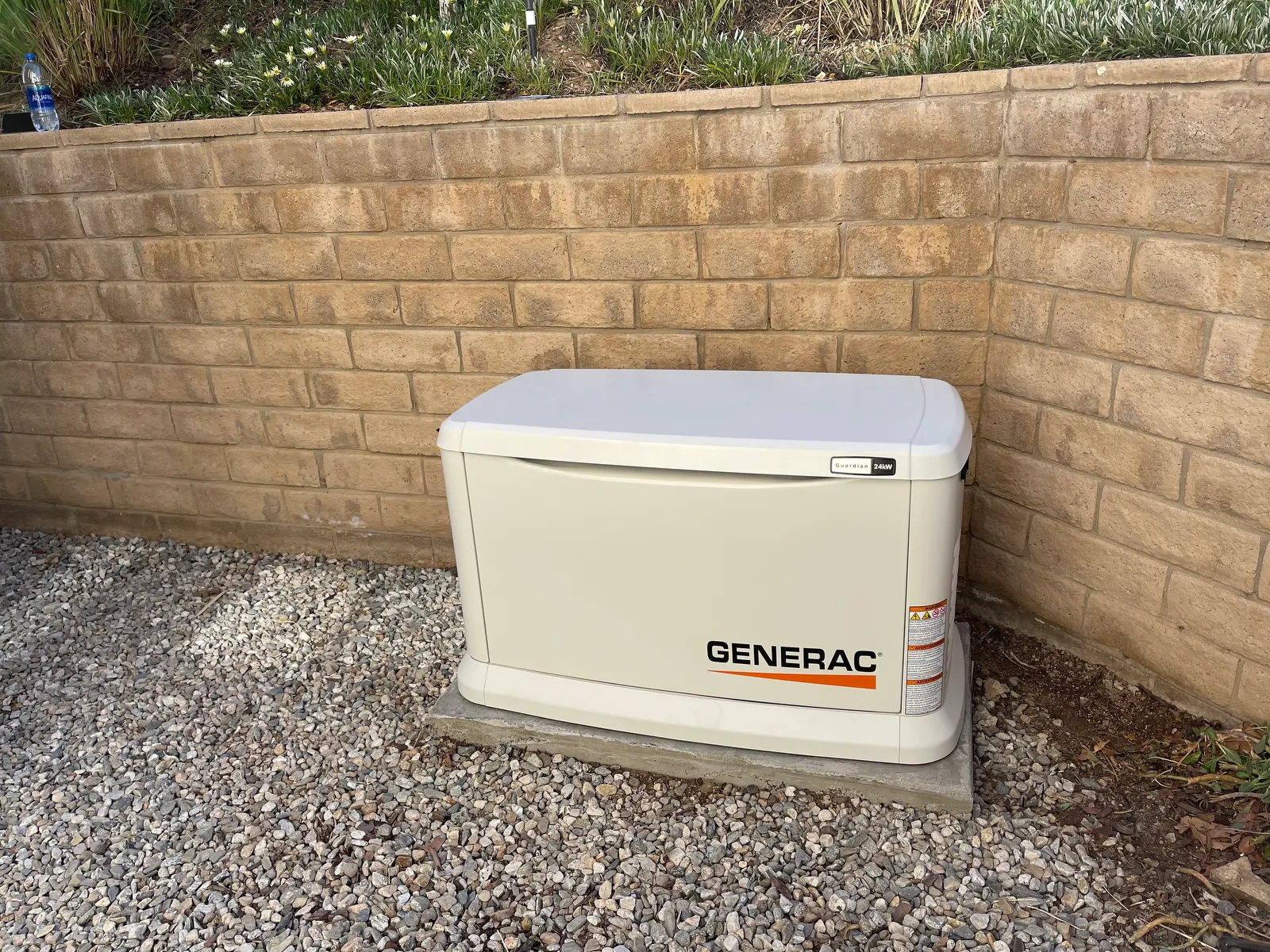

A transfer switch is absolutely vital because it prevents your generator from backfeeding electricity into utility lines, which can electrocute workers and damage your equipment through voltage spikes. We’re legally required under NEC Articles 702 and 705 to install one, and operating without this critical safety device exposes you to liability for injuries, electrical fires, and voided insurance coverage. Both automatic and manual switches guarantee only one power source energizes your system at any time. Understanding the specific requirements will help you choose the right protection for your home.
What Is a Transfer Switch and How Does It Work?
When you connect a backup generator to your home’s electrical system, a transfer switch acts as the critical safety component that guarantees power from backfeeding into the utility grid. This backfeed condition poses electrocution hazards to utility workers and can damage your equipment.
The transfer switch operates as a mechanical or electronic interlock between two power sources. When utility power fails, you’ll manually activate the switch (manual transfer switches) or it’ll engage automatically (automatic transfer switches). This action simultaneously disconnects your home from the grid and connects it to your generator.
The switch ascertains only one power source energizes your electrical panel at any time. Manual transfer switches require you to physically move a lever or turn a dial. Automatic transfer switches employ contactors and control circuits that monitor utility power quality and execute the transfer sequence within seconds of detecting an outage, maintaining NEC Article 702 compliance throughout the switching process.
Safety Hazards of Running a Generator Without a Transfer Switch
Operating a generator without a transfer switch creates three life-threatening hazards that we’ll examine in detail.
Backfeed and Electrocution Risk**: Without proper isolation, electricity flows backward through your meter into utility lines. This “backfeed” energizes supposedly de-energized lines, potentially killing utility workers restoring power in your area. You’re legally liable for injuries or deaths caused by backfeed** from your property.
Simultaneous Source Conflict: When utility power returns while your generator runs, both sources attempt to power your system simultaneously. This creates catastrophic voltage spikes exceeding 10,000 volts, destroying connected equipment and igniting electrical fires within wall cavities where you can’t reach them.
Ground Fault Exposure: Generators running without transfer switches typically lack proper grounding and bonding to your electrical system’s ground fault protection. This eliminates your circuit breakers‘ ability to detect ground faults, leaving you vulnerable to electrocution through equipment frames, metal appliances, and plumbing fixtures.
Legal and Code Requirements for Transfer Switch Installation
Beyond the safety risks we’ve covered, we must address the strict legal framework governing transfer switch installations. The National Electrical Code (NEC) mandates specific installation standards, and your local jurisdiction requires permits and inspections before you can legally operate a backup generator system. We’ll need to hire a licensed electrician to perform the installation, as most municipalities prohibit homeowner-installed transfer switches and won’t issue occupancy permits or pass inspections without documented professional work.
National Electrical Code Compliance
According to the National Electrical Code (NEC), all backup generator installations must include a transfer switch to prevent backfeeding—a dangerous condition where power flows backward into utility lines, potentially electrocuting line workers and damaging equipment. We must adhere to Article 702 (Optional Standby Systems) and Article 705 (Interconnected Electric Power Production Sources), which mandate proper isolation between utility and generator power sources.
| NEC Article | Requirement | Purpose |
|---|---|---|
| 702.6 | Transfer equipment required | Guarantees complete isolation |
| 705.12 | Point of connection specifications | Prevents simultaneous energization |
| 110.3(B) | Listed equipment installation | Certifies UL-certified components |
We’ll need permits and inspections verifying compliance with these standards. Non-compliant installations void insurance coverage and create liability exposure during utility worker incidents.
Local Permit Requirements
While NEC standards establish nationwide safety baselines, we’re also bound by jurisdiction-specific permit requirements that vary considerably across municipalities, counties, and states. Before installation, we’ll need to secure electrical permits through local building departments, which typically require detailed diagrams showing generator placement, transfer switch location, and load calculations. Many jurisdictions mandate licensed electrician installation and subsequent inspection approval before energization. Some municipalities impose additional restrictions on generator placement distances from property lines, windows, or air intakes—often exceeding manufacturer minimums. Coastal regions frequently enforce amplified grounding requirements due to saltwater corrosion risks. We must verify specific requirements with local authorities having jurisdiction (AHJ) before commencing work, as unpermitted installations can result in fines, mandatory removal, voided warranties, and insurance claim denials during emergencies when we’ll need the system most.
Licensed Electrician Installation Mandates
Most states legally require licensed electricians to perform transfer switch installations, treating these connections as critical electrical system modifications rather than simple appliance hookups. These mandates protect homeowners from potentially fatal wiring errors and guarantee compliance with NEC Article 702 standards. We’ve documented why professional installation isn’t optional:
| Requirement Type | Compliance Standard | Violation Consequence |
|---|---|---|
| Electrical License | State-specific C-10/residential | Voided warranties, insurance claims denied |
| Inspection Protocol | AHJ verification, load calculations | Failed occupancy permits, citation fines |
| Code Adherence | NEC 702.6, 702.7 | Hazardous conditions, legal liability |
Unlicensed installations create downstream problems during home sales, insurance audits, and emergency power deployment. Professional electricians carry liability coverage specifically addressing generator integration failures.
Automatic vs. Manual Transfer Switches: Which One Do You Need?
When selecting a transfer switch for your backup generator, you’ll need to decide between automatic and manual operation—a choice that directly impacts response time, convenience, and thorough system reliability.
Automatic transfer switches (ATS) continuously monitor utility power through voltage-sensing circuits. Upon detecting an outage, they signal the generator to start, then transfer loads once proper voltage and frequency stabilize—typically within 10-30 seconds. We recommend ATS units for critical applications: medical equipment, data centers, or when occupants cannot safely operate manual systems.
Manual transfer switches require physical operation by trained personnel. You’ll manually start the generator, verify proper operation parameters, then throw the interlock mechanism to transfer circuits. While economical, manual switches introduce human delay and demand competent operators who understand backfeed prevention protocols.
Your decision hinges on critical load requirements, budget constraints, and available qualified operators. Both configurations must comply with NEC Articles 700-702 governing emergency systems.
Protecting Your Home’s Electrical System From Power Surges and Backfeeding
Transfer switches serve a critical safety function beyond simple power routing—they prevent electrical backfeed that can electrocute utility workers and damage your home’s electrical system. When we operate a generator without proper transfer isolation, we risk sending power back through the utility lines, creating a life-threatening hazard that violates NEC Article 702. We’ll examine how transfer switches incorporate surge protection mechanisms and complete circuit isolation to safeguard both your electrical infrastructure and the broader power grid.
Preventing Dangerous Electrical Backfeed
Without a transfer switch, your backup generator can create a lethal hazard called backfeeding—a condition where electricity flows backward through your home’s electrical panel into the utility grid. This reverse current energizes downed power lines that utility workers assume are dead, creating potentially fatal electrocution risks. We’re not exaggerating the danger: backfeeding has killed lineworkers attempting to restore power during outages.
A properly installed transfer switch physically isolates your generator from the utility grid, eliminating backfeeding completely. It creates an either-or electrical pathway—you’re drawing power from either the utility or your generator, never both simultaneously. This isolation protects workers, prevents equipment damage, and guarantees NEC Article 702 compliance. Manual and automatic transfer switches both provide this critical safety function through mechanical interlock mechanisms that make simultaneous connection physically impossible.
Surge Protection Mechanisms Explained
Voltage fluctuations during generator startup and shutdown create destructive power surges that’ll damage sensitive electronics, appliances, and electrical components throughout your home. We engineer transfer switches with integrated surge protection to safeguard your electrical infrastructure.
Modern transfer switches incorporate these critical protection mechanisms:
- Transient voltage surge suppressors (TVSS) that clamp voltage spikes exceeding safe thresholds
- Metal oxide varistors (MOVs) providing nanosecond-response shunt paths for excess energy
- Series-mode filtering eliminating common and differential mode noise
- Grounding coordination maintaining proper neutral-to-ground relationships during switchover
We’ve designed these systems to meet UL 1449 standards, limiting let-through voltage to levels your equipment can tolerate. The switch’s isolation function prevents utility-side disturbances from propagating through your system while generator voltage stabilizes, protecting connected loads during the 10-15 second switchover period when electrical instability peaks.
Professional Installation Considerations for Your Transfer Switch
Installing a transfer switch requires licensed electrical expertise to guarantee compliance with National Electrical Code (NEC) Article 702 and local jurisdiction requirements. We can’t overstate the complexity involved—improper installation creates hazardous backfeed conditions that endanger utility workers and compromise your entire electrical system.
Licensed electrical expertise is essential for transfer switch installation to ensure NEC compliance and prevent dangerous backfeed conditions.
Your electrician must calculate precise load requirements, ensuring the transfer switch rating matches both your generator’s output capacity and your home’s demand profile. They’ll implement proper grounding per NEC 250.30, establish bonding continuity, and verify correct neutral-to-ground relationships in both utility and generator configurations.
We strongly recommend obtaining necessary permits before installation begins. Inspectors verify mechanical interlocks function correctly, confirm adequate clearances around equipment, and validate proper conduit sizing for conductor protection. Professional installers also coordinate utility company disconnection requirements and schedule final inspections.
Don’t attempt DIY installation—the risks far outweigh cost savings. Licensed professionals carry liability insurance and warranty their work, protecting your investment and ensuring code-compliant operation.
FAQs
How Much Does a Transfer Switch Typically Cost to Purchase and Install?
We’ll invest $500-$3,000 for the switch itself, plus $500-$1,500 for compliant installation—totaling $1,000-$4,500. Notably, 80% of generator failures stem from improper transfer switch selection rather than the generator itself.
Can I Use a Portable Generator With a Transfer Switch?
Yes, we can integrate portable generators with transfer switches. We’ll need to guarantee the switch matches your generator’s wattage and connection type—either a manual transfer switch with an inlet box or an interlock system for code-compliant operation.
How Long Does a Transfer Switch Last Before Needing Replacement?
We’ll typically see a properly installed transfer switch last 20-30 years with minimal maintenance. However, we must inspect electrical connections annually and verify mechanical operation quarterly to guarantee it’ll perform reliably when you need it most.
Will a Transfer Switch Work With Solar Panels or Battery Backup Systems?
Yes, we can integrate transfer switches with solar panels and battery systems, but you’ll need specialized automatic transfer switches designed for multi-source power management. These switches coordinate between grid, solar, battery, and generator inputs while maintaining proper isolation and load prioritization.
What Size Transfer Switch Do I Need for My Home?
We’ll size your transfer switch by calculating your home’s critical load amperage. Most residential installations require 100-200 amp switches. We’ll add up indispensable circuits, apply NEC load calculations, then select a switch rated 25% above that total.