Generator electrical permits involve five key cost categories we’ve tracked across installations. Base permit applications run $50-$300 depending on your municipality’s fee structure. You’ll face inspection costs totaling $200-$475 for rough-in, final, and interconnection reviews. Transfer switch permits add $50-$150, with automatic systems costing more than manual interlocks. Service upgrade permits range $150-$400 if you’re replacing panels or upsizing conductors. Expedited processing can increase fees by 75-200% when timelines matter. Our detailed breakdown below details each expense factor and code requirement.
Base Permit Application Fees by Municipality
Because electrical permit fees vary greatly across jurisdictions, we’ll examine the typical cost structures municipalities use for generator installations. Most jurisdictions calculate base fees using three primary methods: flat-rate systems, amperage-based calculations, or valuation-based formulas.
Flat-rate municipalities charge fixed amounts ranging from $50 to $300 per permit, regardless of generator size. We find these most prevalent in smaller communities with simplified code enforcement structures.
Amperage-based jurisdictions assess fees according to the generator’s rated output, typically $1.50 to $3.00 per amp. A 200-amp generator would cost $300 to $600 under this model.
Valuation-based systems charge percentages of total project cost, usually 1% to 2%, with minimum fees of $75 to $150. This method appears chiefly in larger metropolitan areas.
You’ll need to contact your local building department directly, as published fee schedules often exclude automatic transfer switch inspections and separate electrical service modifications.
Inspection Costs Throughout the Installation Process
Beyond the base permit fee, generator installations require multiple inspections that add $75 to $200 per visit to your total costs. We’re looking at a minimum of three mandatory inspection points: rough-in, final electrical, and utility interconnection verification.
Each inspection validates code compliance at critical installation stages. Rough-in inspections occur before covering conduit runs and must verify proper conductor sizing, grounding electrode systems, and transfer switch placement. Final inspections confirm torque specifications, proper labeling per NEC 702.7, and load calculations match permit documents.
| Inspection Type | Typical Cost | Code Verification Focus |
|---|---|---|
| Rough-In | $75-$125 | Conduit routing, grounding |
| Final Electrical | $100-$150 | Connections, labeling, torque |
| Utility Interconnection | $125-$200 | Backfeed protection, ATS operation |
Failed inspections require re-inspection fees, typically matching original costs. We recommend scheduling inspections during favorable work windows to prevent weather-related delays that necessitate extra visits.
Transfer Switch Permit Requirements and Pricing
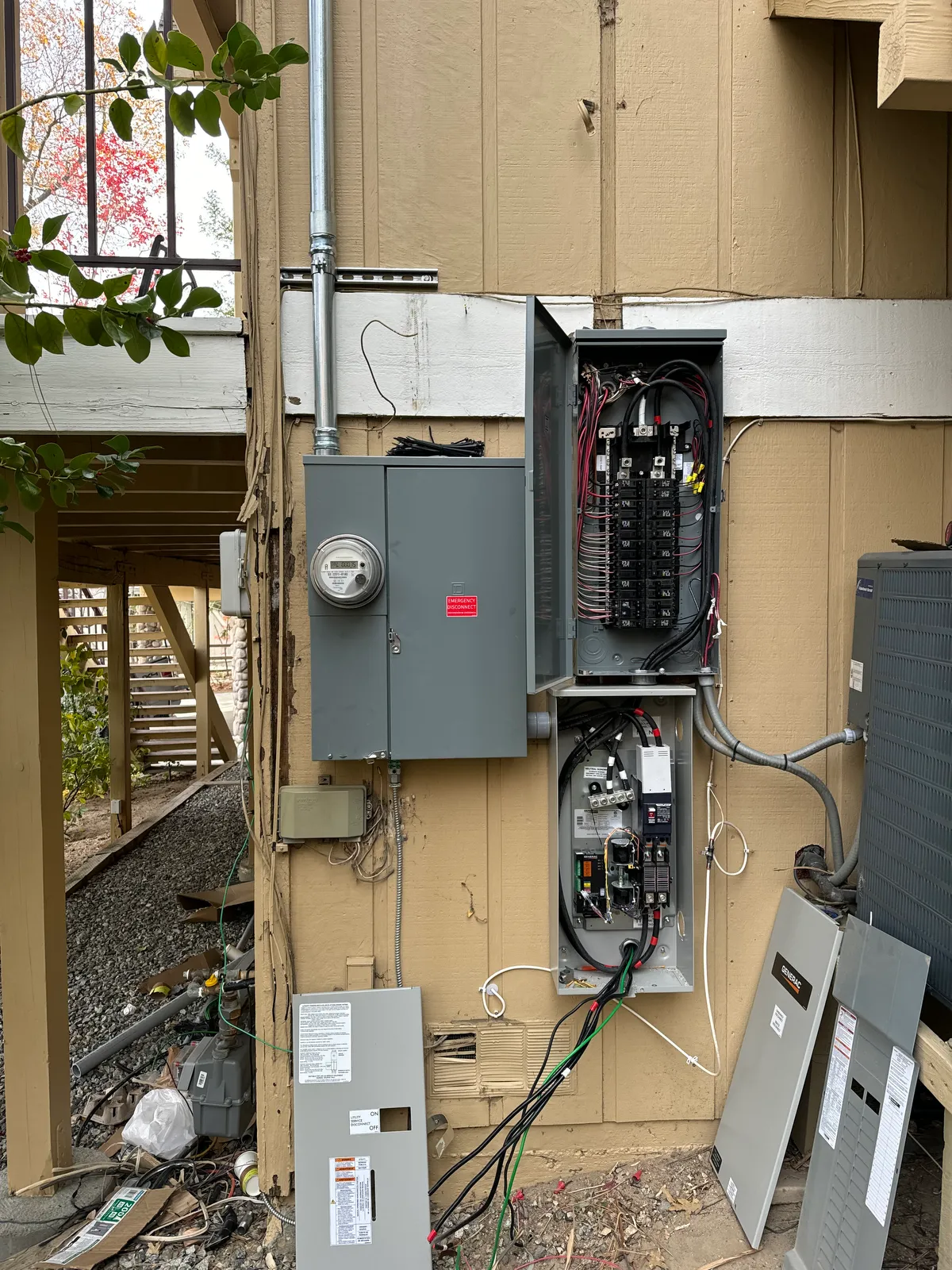
Transfer switches demand separate permitting in most jurisdictions, supplementing $50 to $150 to your electrical permit costs depending on switch amperage and type. We’ll need to specify whether you’re installing an automatic transfer switch (ATS) or manual transfer switch (MTS) on your application, as each carries distinct code requirements under NEC Article 702.
Manual transfer switches typically cost less to permit ($50-$75) since they’re simpler devices requiring basic interlock verification. Automatic systems command higher fees ($100-$150) because inspectors must verify control wiring, sensing mechanisms, and time-delay functions meet manufacturer specifications and NEC 702.12 requirements.
Your permit documentation must include the transfer switch’s amperage rating, listing certification (UL 1008), and load calculation worksheets. Service-rated transfer switches—those rated for the full service panel amperage—require additional scrutiny and often trigger supplementary plan review fees. We recommend submitting cut sheets and single-line diagrams with your application to expedite approval.
Electrical Service Upgrade Permit Expenses
Generator installations frequently expose undersized electrical services that can’t support both existing loads and backup power requirements. We’ll need to upgrade the main service when the combined generator capacity and continuous loads exceed the existing panel’s rating. This triggers supplementary permit expenses beyond the standard generator installation fees.
Undersized electrical services often require costly main panel upgrades when adding generator capacity to existing residential or commercial properties.
Service upgrade permits typically include:
- Main panel replacement – $150-$400 for upgrading from 100A to 200A service, including meter base modifications and utility coordination fees
- Service entrance conductor upsizing – $75-$200 depending on wire gauge changes and conduit requirements per NEC Article 230
- Grounding electrode system upgrades – $50-$150 for additional grounding rods, bonding jumpers, and compliance with Article 250
- Load calculation documentation – $25-$100 for engineering stamps validating service sizing per NEC 220.87 optional calculations
We must factor these cumulative permit costs into project budgets, as they greatly impact total installation expenses.
Expedited Permit Processing Fees
Time-sensitive projects often require expedited permit processing to meet critical installation deadlines, with most jurisdictions offering accelerated review services for 50-200% supplemental fees over standard rates. We’ll need to submit complete documentation upfront—single-line diagrams, load calculations, transfer switch specifications, and NEC-compliant installation plans—since expedited applications won’t tolerate deficiencies requiring resubmission.
Most building departments tier their expedited services: same-day review typically costs 200% extra, 24-hour processing runs 150%, and 72-hour turnaround adds 75-100%. We must verify whether our jurisdiction’s expedited fees apply only to plan review or include inspection scheduling, as some municipalities charge separately for priority inspection placement.
Emergency generator installations serving healthcare facilities or critical infrastructure may qualify for priority processing without additional fees under local emergency preparedness provisions. We should reference IRC Section R108 and local amendments when requesting fee waivers, documenting the installation’s life-safety classification with supporting facility designations.
FAQs
Do I Need a Permit for a Portable Generator?
We don’t need permits for portable generators that simply plug into outlets. However, once we’re installing transfer switches or hardwiring connections to our home’s electrical panel, permits become mandatory for code compliance and safety.
How Long Does the Typical Electrical Permit Approval Process Take?
We typically see electrical permit approvals take 3-14 business days, depending on your jurisdiction’s workload and project complexity. You’ll expedite processing by submitting complete, code-compliant plans with accurate load calculations upfront.
Can I Install a Generator Myself Without a Licensed Electrician?
We’ll be frank: unless you’re a licensed electrician, you shouldn’t attempt generator installation yourself. Code violations, improper grounding, and transfer switch errors create serious safety hazards and void permits in most jurisdictions.
Are Generator Permits Refundable if I Cancel the Installation Project?
Generally, we can’t get permit fees refunded once they’re issued. Some jurisdictions offer partial refunds if we cancel before inspection scheduling, but most building departments don’t refund electrical permits after processing.
Does Homeowners Insurance Cover Generator Installation Permit Costs?
Homeowners insurance doesn’t cover permit costs for generator installations. We’ll need to budget separately for permitting fees, as they’re considered routine construction expenses rather than insurable losses. Check your policy’s equipment breakdown coverage for post-installation protection.