We’ve found that generator hookup costs vary dramatically based on five key factors: your unit’s capacity (affecting wire gauge and circuit protection requirements), the complexity of your electrical panel and transfer switch integration, local permit and inspection fees, the distance from your main panel to the generator location (which impacts conductor runs and conduit needs), and regional labor rates for certified electricians. Each installation presents unique code-compliance challenges that impact the final investment. Understanding these variables helps you evaluate quotes objectively and verifies your system meets safety standards.
Generator Size and Power Output Requirements
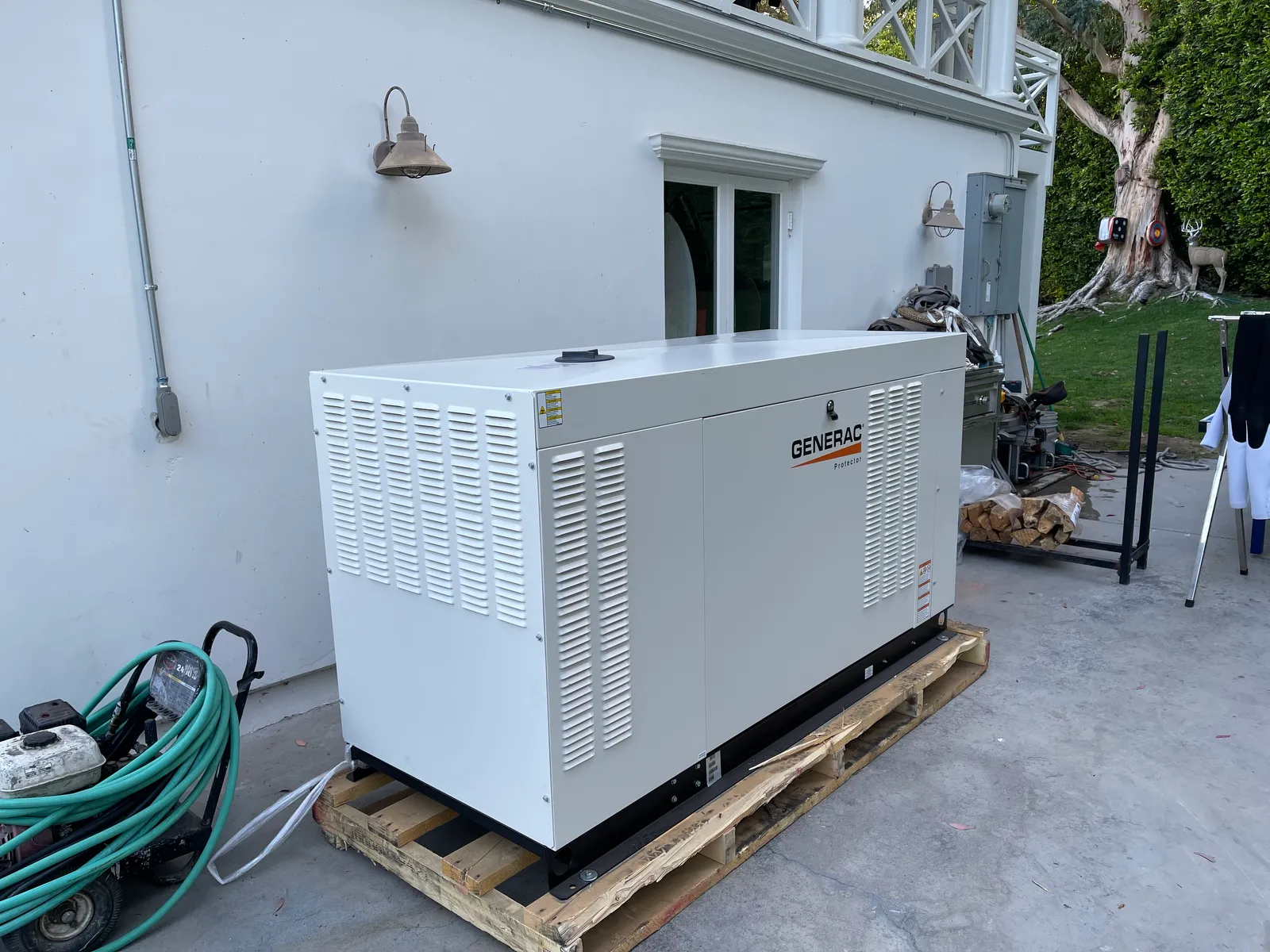
How does generator capacity influence hookup costs? We’ll find that larger generators demand more robust electrical infrastructure. A 22kW unit requires different transfer switch specifications, wire gauges, and circuit protection than a 10kW model. We’re working with ampacity calculations that directly correlate to material costs—a 200-amp automatic transfer switch costs substantially more than a 100-amp variant.
The power output dictates our conduit sizing per NEC Article 310. Higher wattage means thicker conductors, potentially requiring larger raceways and additional labor for installation. We’ll also encounter escalating costs when generators exceed 48kW, as these typically necessitate three-phase service connections rather than single-phase.
Load calculations determine whether we’re installing a simple branch circuit connection or a complex whole-house integration with load-shedding capabilities. Each configuration level increases our labor hours, materials inventory, and required expertise—factors that proportionally affect your final hookup investment.
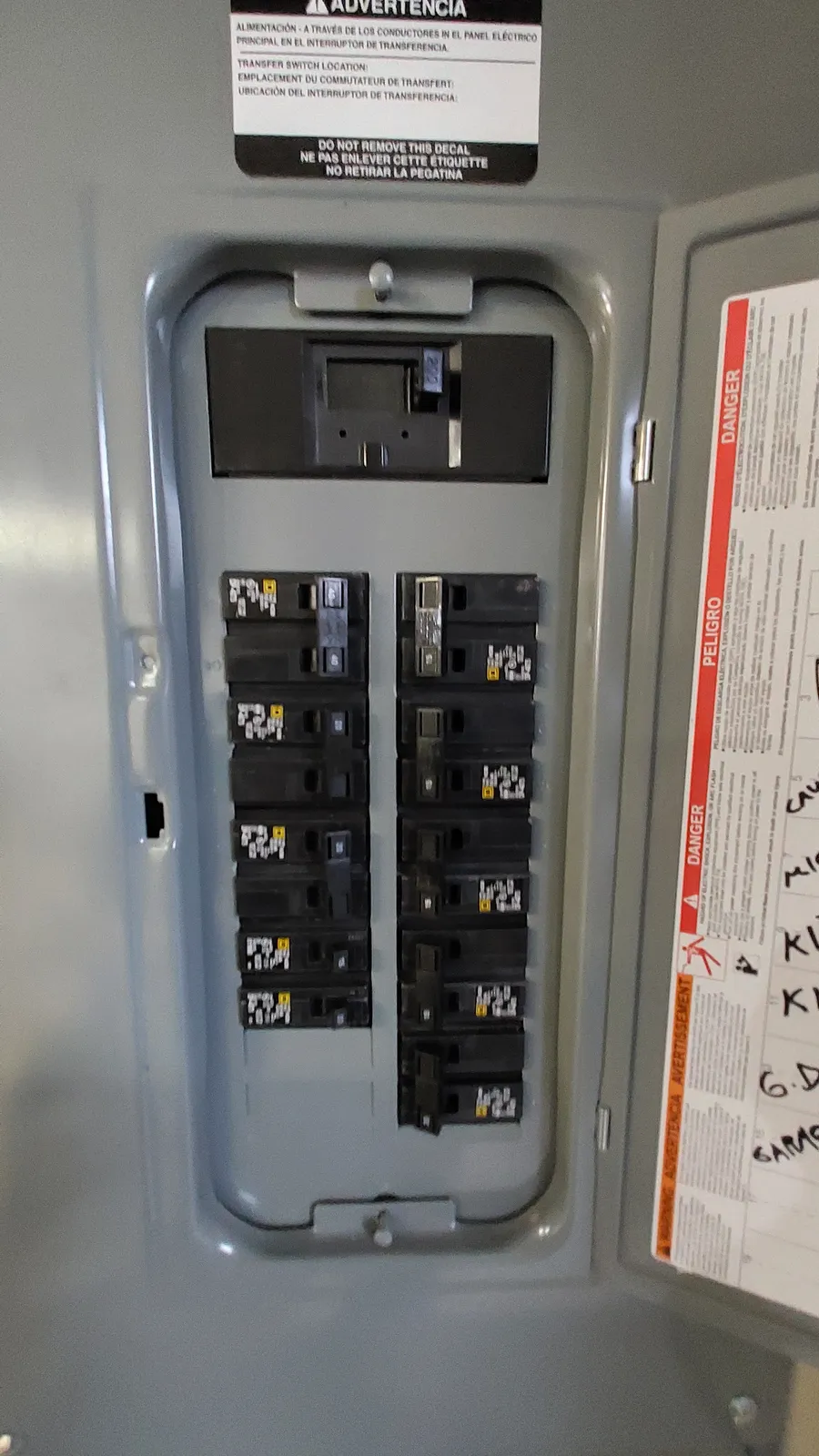
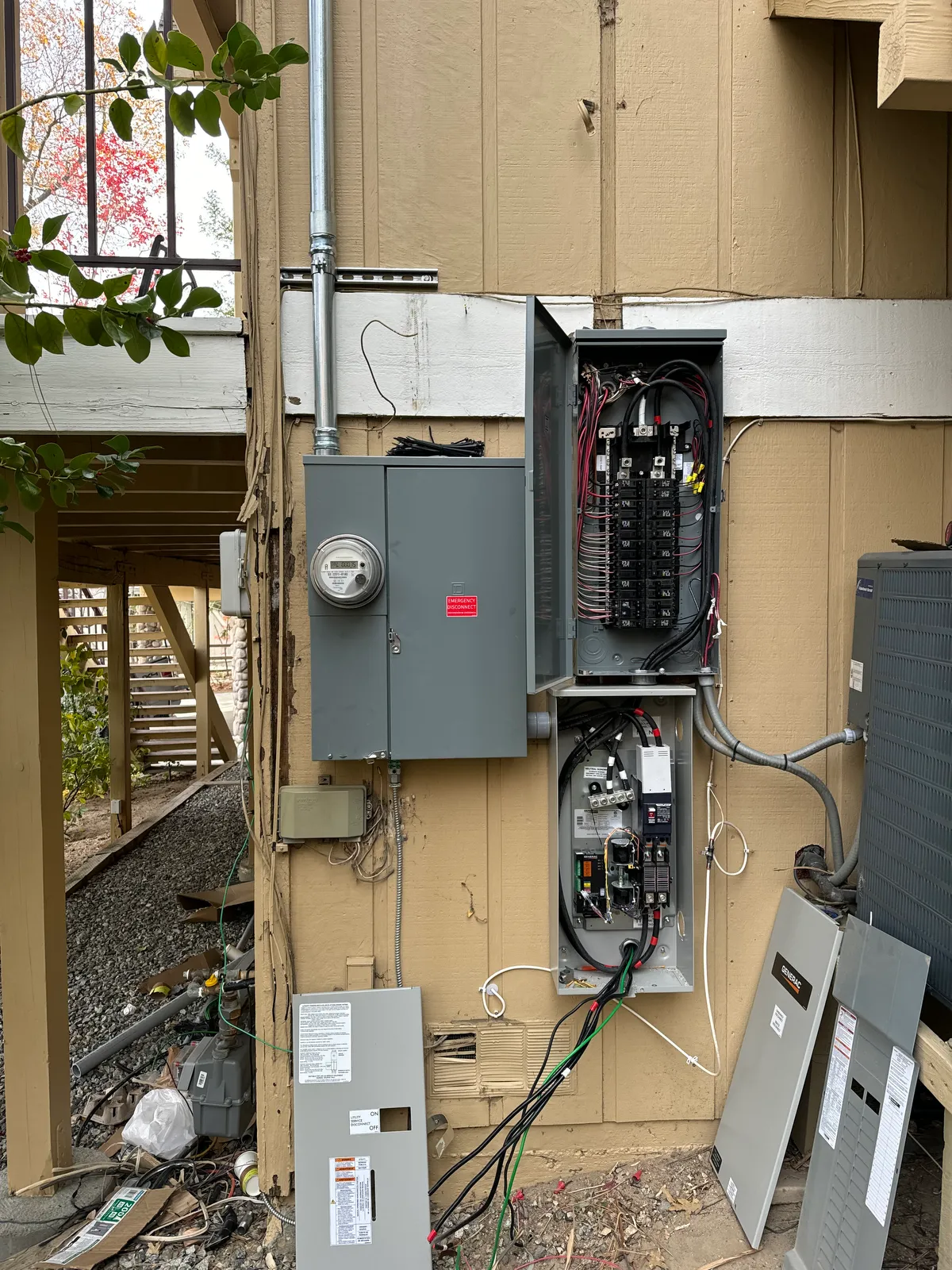
Complexity of Electrical Panel Upgrades and Transfer Switch Installation
Three primary factors determine transfer switch installation complexity: panel maturity, available space, and existing electrical architecture. We’ll assess whether your panel meets current NEC requirements or needs replacement. Panels with aluminum wiring, Federal Pacific breakers, or outdated bus configurations require complete upgrades before transfer switch integration.
Available physical space dictates installation approach. We need adequate clearance for the transfer switch itself, plus sufficient knockout locations for conduit runs. Cramped spaces may necessitate panel relocation or subpanel additions, drastically increasing labor hours.
Your home’s electrical architecture directly impacts complexity. Single-phase versus three-phase systems, service entrance configurations, and grounding electrode systems all affect installation protocols. We must verify proper bonding, confirm adequate conductor sizing per Article 702, and maintain required working clearances per Article 110.26.
Homes with generator-ready circuits simplify installations. Those without require complete circuit mapping, load calculations, and potentially running new branch circuits to critical loads.
Local Permit Costs and Inspection Requirements
Beyond the physical installation work, you’ll face mandatory permitting expenses that vary considerably by jurisdiction. Municipal permit fees range from $50 in rural counties to $500+ in metropolitan areas, reflecting local administrative costs and code enforcement rigor.
Generator permit costs fluctuate dramatically based on location, with fees spanning from $50 in rural areas to over $500 in cities.
We’ve observed that inspection requirements directly impact your total expense. Most jurisdictions mandate multiple inspections: rough-in (before concealment), final electrical, and gas line verification for dual-fuel systems. Each inspection typically costs $75-150, and failed inspections necessitate re-inspection fees.
Some municipalities require licensed master electricians rather than journeymen for generator installations, increasing labor costs by 15-25%. In addition, certain jurisdictions enforce seismic bracing requirements, ground fault protection mandates, or specific transfer switch listings that exceed National Electrical Code minimums.
You’ll also encounter variance in plan review fees. Complex installations requiring engineered drawings face scrutiny from building departments, potentially adding $200-400 in review costs. Understanding your local authority having jurisdiction (AHJ) requirements prevents costly surprises during the permitting process.
Distance From Main Electrical Panel to Generator Location
Every foot of separation between your main electrical panel and generator pad directly increases installation costs through supplementary wire runs, supplemental conduit materials, and supplementary labor hours. We calculate wire gauge requirements based on voltage drop over distance, typically limiting drops to 3% under full load conditions. Longer runs demand larger conductors to maintain code compliance.
| Distance Range | Cost Impact Factor |
|---|---|
| 0-25 feet | Baseline |
| 26-50 feet | +25-40% |
| 51-100 feet | +50-80% |
| 100+ feet | +100-150% |
We account for trenching depth requirements, burial-rated conduit specifications, and pull box installations at intervals exceeding manufacturer guidelines. Underground installations require Schedule 40 PVC or rigid metal conduit buried at code-mandated depths. We also factor additional junction boxes, weather-head installations, and mechanical protection where conduit transitions from underground to above-grade positions. Complex routing around obstacles compounds these expenses dramatically.
Labor Rates Based on Geographic Location and Electrician Expertise
While material costs remain relatively consistent nationwide, electrician labor rates fluctuate considerably based on regional economics and technician certification levels. We’ll find metropolitan areas commanding $85-150 per hour, while rural regions typically range $60-95 per hour. These differentials reflect local cost of living, licensing requirements, and market demand.
Electrician expertise significantly impacts pricing structure. Master electricians with generator-specific certifications charge premium rates—often 30-50% above journeyman rates—but deliver code-compliant installations that pass inspection on the initial submission. Their expertise encompasses transfer switch sizing, load calculations, and AHJ-specific requirements that prevent costly mistakes.
Geographic factors extend beyond hourly rates. Union versus non-union markets, prevailing wage requirements, and state-specific licensing tiers all influence final costs. We’re also paying for liability insurance, ongoing education, and specialized testing equipment—investments that protect our installation’s safety and longevity. Understanding these variables helps us evaluate quotes objectively rather than selecting solely on price.
FAQs
Can I Install a Generator Hookup Myself to Save Money?
We don’t recommend playing with fire—DIY generator hookups risk code violations, improper transfer switch installation, and dangerous backfeeding. We’d need permits, proper load calculations, and NFPA 110 compliance to guarantee safe, legal operation.
Does Homeowners Insurance Cover Any Generator Installation Costs?
Standard homeowners policies typically won’t cover elective generator installations. However, we recommend reviewing your policy—some insurers offer discounts for permanently installed backup generators since they reduce potential storm damage and frozen pipe claims.
How Long Does a Typical Professional Generator Hookup Take?
Like planting roots that’ll weather any storm, we’ll complete your professional generator hookup in 6-12 hours for portable units, or 1-3 days for standby systems, ensuring code-compliant connections and rigorous safety protocols throughout installation.
Are There Seasonal Price Differences for Generator Hookup Services?
Yes, we’ll find seasonal pricing variations exist. Peak storm seasons (Santa Ana winds, winter) increase demand and rates by 20-40%. Off-season installations offer better availability and competitive pricing, though emergency service premiums apply year-round.
What Warranties Are Included With Professional Generator Hookup Services?
Like a shield protecting your investment, we’ll provide workmanship warranties covering installation defects, typically one year minimum. Manufacturers separately warrant equipment components. We’ll guarantee all connections meet NEC standards with documented compliance assurances for your protection.